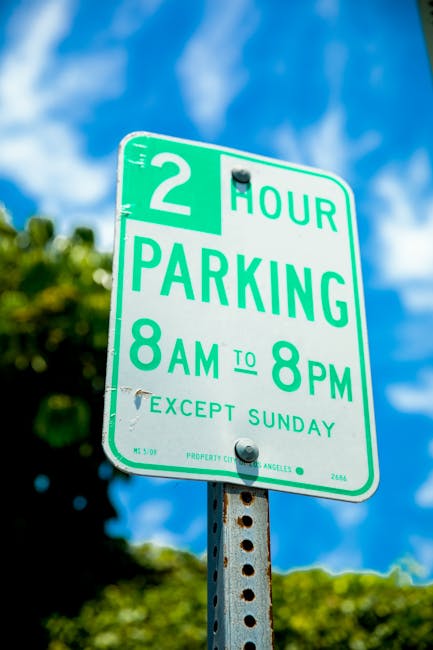
Poplar removals parking permits what to know before you book
If you are arranging a move in Poplar, parking can make or break the day. Poplar removals parking permits what to know before you book is not just a niche admin question; it is often the difference between a smooth move and a van circling the block while everyone gets stressed. In E14, where roads can be tight, bays fill quickly, and access varies from street to street, a bit of planning goes a long way.
This guide walks you through what parking permits usually mean for removals, why they matter, how the process tends to work in practice, and what to check before you lock in a slot. You will also find a checklist, a comparison table, and a few real-world points that people often miss until moving day. Truth be told, the parking side is the bit that catches people out most often. Not the boxes. Not the sofa. The parking.
Table of Contents
- Why Poplar removals parking permits what to know before you book Matters
- How Poplar removals parking permits what to know before you book Works
- Key Benefits and Practical Advantages
- Who This Is For and When It Makes Sense
- Step-by-Step Guidance
- Expert Tips for Better Results
- Common Mistakes to Avoid
- Tools, Resources and Recommendations
- Law, Compliance, Standards, or Best Practice
- Options, Methods, or Comparison Table
- Case Study or Real-World Example
- Practical Checklist
- Conclusion
- Frequently Asked Questions
Why Poplar removals parking permits what to know before you book Matters
Parking sounds simple until moving day arrives and the road outside your home is already busy, double yellow lines are doing what double yellow lines do, and there is nowhere convenient to unload. In Poplar, that can mean extra carrying distance, delayed loading, or the need to park farther away than planned. With removals, every extra metre matters, especially if you have stairs, heavy furniture, or awkward items.
What makes this more important in Poplar is the mix of housing types and road layouts. You may be dealing with a tower block service road, a residential permit bay, a loading restriction, or a narrow street where stopping briefly still creates problems. And if a driver has to improvise, it can affect timing, labour, and cost. Nobody wants the van stuck half a street away while the weather turns, the lift gets busy, and everyone starts asking where the kettle box went.
Parking permits also matter because moving companies need a realistic plan. If the truck cannot stop close enough, the team has to carry items further, work more slowly, and sometimes return later for a second run. That is not ideal for the crew, and it is certainly not ideal for your day. The better the parking plan, the calmer the move.
Expert summary: For removals in Poplar, parking is not an afterthought. It should be treated as part of the booking, the same way you would treat lift access, property size, or the number of rooms being moved.
If you are comparing services, it can help to look at providers that handle different move types and access needs, such as home moves, man and van support, or more structured commercial moves. The right fit depends on your street, your load, and how much access planning is needed.
How Poplar removals parking permits what to know before you book Works
In practical terms, a removals parking permit or suspension gives a vehicle permission to stop, load, or unload in a controlled area. The exact arrangement depends on the street, the type of bay, and the local parking rules in force on that road. Sometimes you may need a specific permit, sometimes a bay suspension, and sometimes you simply need to plan around the restrictions that already apply. That part varies. A lot.
Here is the basic flow most people follow:
- You check the parking conditions at both the collection and delivery addresses.
- You confirm whether the removals vehicle will need a permit, a dispensation, a bay suspension, or no permit at all.
- You allow enough time for the request to be processed, if one is needed.
- You share the details with the removal company so the vehicle size and arrival window match the parking plan.
- You make sure any visitor bays, resident bays, or loading spaces are usable on the day.
In Poplar, this matters because a move may involve one or two different parking situations. Your old flat could have one set of rules, while your new place has another. A street in one part of E14 might be straightforward, while a nearby road can be more awkward than expected. It is worth checking both ends carefully, not just the address you know best.
If you are not sure what kind of vehicle will be used, ask early. A small van, a box truck, and a larger moving truck are not interchangeable in parking terms. The space needed for loading, door opening, and safe working room changes quite a bit. If you are booking a larger vehicle or looking at moving truck options, the parking requirements are usually more demanding too.
Some moves can be completed with a lighter-touch setup, such as a man with van service, where access is tight and the volume is smaller. Others need more planning, especially if furniture, appliances, or boxes are being handled from a top-floor flat. A sensible removals company will tell you which scenario you are in rather than shrugging and hoping for the best.
Key Benefits and Practical Advantages
Planning the parking side properly brings benefits that are easy to notice on the day. Some are obvious. Others only show up once you have done a move both ways and felt the difference.
- Less delay: The crew can start loading or unloading without wasting time hunting for a space.
- Lower physical strain: Shorter carrying distance means less fatigue and fewer awkward shuttles.
- Better protection for items: Furniture spends less time being carried around corners, kerbs, and tight doorways.
- Smoother scheduling: The move stays closer to the booked time window, which helps if lift access or building rules are involved.
- Reduced conflict: Clear parking arrangements help avoid complaints from neighbours or awkward exchanges with other drivers.
- More accurate pricing: When access is known in advance, quotes are usually more realistic and easier to trust.
There is also a quieter benefit: less stress. People notice that first. A move with parking sorted feels more controlled, more professional, and frankly less chaotic. You may still have tape in your hair by lunchtime, but at least the van is where it should be.
For many customers, the parking plan also helps with packing and time management. If you already know the vehicle can park close to the building, you can organise boxes in a way that keeps the move flowing. Services such as packing and unpacking services can also reduce the pressure on moving day, especially when every minute counts.
Who This Is For and When It Makes Sense
This topic matters most if any part of your move involves controlled parking, limited road space, or timed access. In Poplar, that covers a lot of people. If your property is in a block with restricted bays, a shared courtyard, a narrow residential street, or a loading area that is not always available, you should treat parking as a core part of the booking.
It is especially relevant for:
- flat moves with limited roadside access
- top-floor or lift-restricted properties
- families moving from busy residential roads
- students or renters with a quick turnaround
- office or business relocations needing precise timing
- anyone moving bulky furniture or white goods
If you are moving from or into a commercial space, parking can become even more important because bays may be shared, time-restricted, or used by deliveries throughout the day. In those cases, a business move often benefits from additional route and access planning. A look at office relocation services can help you see how professional movers approach timing and access on tighter schedules.
To be fair, not every move needs a full-blown permit strategy. If you are moving a few items from a ground-floor property with private parking, the process may be straightforward. But if you are even slightly unsure, it is better to ask. The cost of checking is tiny compared with the hassle of discovering a parking issue at 8:15 on a wet Tuesday morning.
Step-by-Step Guidance
Here is a practical way to handle Poplar removals parking permits before you book. Keep it simple and work through it once, properly.
- Check the collection address. Look at the road layout, bay markings, and any signs about loading, residents' parking, or time restrictions.
- Check the delivery address. Do not assume the new place is easier. Sometimes the new street is the awkward one.
- Measure access realistically. Think about van length, turning room, pavement width, and whether the crew can safely leave doors open while working.
- Ask what vehicle will be used. A smaller van may fit where a larger removals truck cannot.
- Confirm whether a permit, bay suspension, or special arrangement is needed. If you are unsure, ask the local parking authority or the mover how this is normally handled.
- Allow processing time. Some parking arrangements cannot be sorted at the last minute. Do not leave it until the night before if you can help it.
- Share all details with the mover. Give them postcodes, road names, floor levels, parking restrictions, and any time windows.
- Prepare building access too. Parking is only one piece of the puzzle. Lift booking, concierge rules, and key collection matter as well.
- Recheck the plan 24 to 48 hours before the move. Little changes happen. Temporary suspensions, roadworks, and event traffic can appear out of nowhere.
A useful trick is to walk the route yourself the evening before. Stand at the kerb. Look at the space. Ask yourself, honestly, could a van stop here without causing a scene? That simple reality check can save a lot of grief.
If you need a broader moving plan alongside the parking side, guides such as E14 moving checklist tips can help you organise the rest of the day in a sensible order.
Expert Tips for Better Results
Most parking problems are avoidable if you think a little like the mover does. Here are the habits that tend to make the biggest difference.
- Book earlier than you think you need to. Parking permissions are one of those things people underestimate because they feel minor. They are not minor on the day.
- Ask about both ends of the move. This is where people slip up. One address sorted, the other ignored.
- Keep a plan B. If the preferred space is taken, know where else the vehicle can safely wait for a short while.
- Send photos if requested. A quick street photo can help a mover judge the space more accurately than a verbal description.
- Be honest about furniture size. If there is a wardrobe that barely made it into the flat, say so. It affects loading time and the parking setup.
- Check timing around traffic peaks. Early morning can feel calmer. Late afternoon can be busier. Simple, but true.
In our experience, customers who give clear access information tend to get better quotes and fewer surprises. Not because the company is being fussy, but because reality has finally been invited into the conversation. That helps everyone.
If you are also trying to keep costs under control, compare access needs with service type. A smaller move may suit a more flexible option, while a full household move may justify a larger vehicle or a more structured team. For fast turnarounds, some people also look at same-day removals in E14, though availability and parking still need to line up neatly.
Common Mistakes to Avoid
It is easy to make a parking mistake when you are focused on boxes, utilities, and whether the sofa will fit through the front door. Here are the most common slip-ups.
- Leaving parking until the last minute. This is the big one.
- Assuming the mover will sort everything automatically. Some will help, but you still need to supply accurate information.
- Forgetting the return journey. The place you are moving into may have stricter rules than the place you are leaving.
- Ignoring loading bay rules. A bay is not the same as permission to stay there all morning.
- Underestimating the distance from van to front door. Fifty metres sounds short on paper. It feels longer with a mattress in your hands.
- Not checking for roadworks or temporary restrictions. These can change a simple move very quickly.
- Booking the wrong vehicle size. Too small creates extra trips; too large can create parking trouble.
A slightly annoying but very real issue is neighbour parking. If residents are already competing for spaces, even a well-run move can become tense if there is no clear plan. Good communication helps. So does a polite note where appropriate. Nothing dramatic. Just enough to keep things civil.
For access-related moving problems beyond parking, it can also help to read about dealing with staircases in flats and loading bay rules. Different streets, same principle: know the constraints before the van arrives.
Tools, Resources and Recommendations
You do not need fancy software to manage removals parking well. A phone, a notebook, and a few accurate details usually go a long way. Still, there are a few practical things worth having ready.
- Photos of the street: Useful for explaining access, bay layout, and any awkward corners.
- Postcodes for both addresses: Keep them handy and checked.
- Move inventory: Helps estimate how long loading will take and what size vehicle may be needed.
- Floor and lift details: Parking alone does not tell the full story.
- Building contact details: Handy if concierge approval or a lift booking is involved.
- Flexible contact number: If the driver needs to reach you on the day, make it easy.
If you are still choosing a removals setup, it can help to compare vehicle and service options. A removal truck hire option may suit larger house moves, while furniture pick up or lighter transport can work for smaller jobs. If the move is mainly household items, house removalists may be the more sensible path.
And yes, it sounds obvious, but write the parking plan down. One note in your phone, one printed sheet near the door, and one message to the mover can save that classic moving-day moment where everyone asks, "Wait, who was checking the bay again?"
Law, Compliance, Standards, or Best Practice
Parking and moving rules can vary by road, building, and local authority arrangement, so it is wise to treat them carefully rather than making assumptions. In London, controlled parking zones, loading restrictions, resident bays, and suspended spaces can all affect how a removals vehicle is allowed to stop. The practical rule is simple: check the current situation for the exact street and time of day, not just the general area.
For movers, best practice usually includes confirming access in advance, using the right vehicle, and avoiding obstruction of traffic or pedestrian routes. For residents, best practice means allowing enough time for any required parking arrangement and being clear with the mover about restrictions that might not be obvious from the street view alone. If your building has its own rules, those matter too.
Where compliance is concerned, the safest approach is cautious and specific. Do not assume that a permit used for one road will work on another. Do not assume a loading bay can be used all day. Do not assume temporary arrangements are automatic. If something feels uncertain, ask before the booking is finalised. A few minutes of checking can prevent fines, delays, or the sort of moving-day scramble that nobody wants.
For businesses in particular, access management is part of operational planning. If you are moving stock, desks, or equipment, the parking decision can affect staff time and service continuity. That is one reason commercial moves are usually planned more tightly than people expect.
Options, Methods, or Comparison Table
There is more than one way to handle parking for a move in Poplar. The right choice depends on access, vehicle size, and how much time you have before the move.
| Option | Best for | Pros | Watch-outs |
|---|---|---|---|
| Simple curbside loading | Quiet roads with easy stopping space | Quick, low admin, flexible | Not suitable where restrictions apply |
| Permit or dispensation arrangement | Controlled streets and timed parking | More secure access, less risk of interruption | Needs planning and may take time |
| Bay suspension or reserved space | Busy roads and tighter access | Creates a clear working space | May require advance notice and clear communication |
| Smaller van approach | Narrow streets or short moves | Easier to fit, often simpler to park | May need more trips or extra loading time |
| Larger removals truck | Full-house or larger commercial moves | Efficient for big loads | Needs better access planning and parking room |
As a rule of thumb, the more constrained the street, the more useful formal parking planning becomes. If the road is open and the move is small, you may not need much beyond sensible timing. If the street is busy and the load is large, formal arrangements can make the whole job feel far more orderly.
Case Study or Real-World Example
Picture a typical Poplar move. A couple in a second-floor flat has booked a removal team for a Saturday morning. On paper, it looks straightforward. In reality, the road outside has resident bays, a loading restriction during part of the day, and more cars than anyone expected because of weekend visitors and a nearby event. They had not checked the parking detail closely at first. Classic.
Once they reviewed the road properly, they found that a smaller vehicle and a slightly earlier start would reduce the risk of delay. They also arranged for boxes to be carried down in a staged way rather than all at once. The result was simple: shorter pauses, less frustration, and no last-minute hunt for a space three streets away. Nothing dramatic happened. Which, on moving day, is a small victory in itself.
Another common scenario involves office moves around Docklands where access is technically possible but awkward. A building may allow deliveries only within a certain window, with a nearby bay that must be freed in advance. Those moves usually go best when the parking plan is confirmed alongside the building access plan, not after. If your move involves business equipment or multiple stops, browsing office removals advice for Canary Wharf can help you think through the timing side.
Practical Checklist
Use this checklist before you book. It keeps the conversation with your removals company focused and helps avoid crossed wires.
- Have I checked parking at both addresses?
- Do I know whether a permit, dispensation, or bay suspension is needed?
- Have I confirmed the size of the vehicle being used?
- Do I know where the vehicle can legally stop or wait?
- Have I checked lift access, stairs, and building rules?
- Have I shared postcodes and street names with the mover?
- Have I allowed enough lead time for any parking arrangement?
- Have I checked for roadworks, event traffic, or temporary restrictions?
- Have I planned for bulky items that need extra space?
- Have I saved the mover's contact details for the day?
Quick practical note: if you can answer those ten points confidently, you are already ahead of most people booking a move. That alone lowers the chance of a messy day.
Conclusion
Poplar removals parking permits what to know before you book comes down to one simple idea: do not treat parking as an afterthought. In an area like Poplar, where access can vary street by street, the right parking plan helps your movers work safely, keeps your schedule intact, and reduces the kind of stress that sneaks up on people just when they thought the hard part was packing the mugs.
Start with the two addresses, check the vehicle size, confirm the restrictions, and keep the communication clear. That is usually enough to avoid the common headaches. And if the move feels a bit more complicated than expected, that is normal. It happens. The important thing is to catch the issue early, before moving day is already in motion.
Get a free quote today and see how much you can save.
With a little planning, the whole thing becomes much more manageable. Not perfect, just manageable. And honestly, that is a very good place to be.
Frequently Asked Questions
Do I always need a parking permit for removals in Poplar?
Not always. It depends on the street, the bay markings, the time of day, and the type of vehicle being used. Some moves can be handled with standard stopping space, while others need a permit, dispensation, or bay suspension. Always check the exact address rather than assuming.
How far in advance should I sort out parking for a move?
As early as possible. Some parking arrangements are simple, but others take time to confirm. If your move is in a busy area or you need a specific bay kept clear, leaving it late can limit your options.
What if the removals van cannot park outside my building?
The crew may need to stop further away and carry items over a longer distance, which can affect timing and effort. In some cases, a smaller vehicle or a different parking arrangement is the better fix. It is worth discussing before the booking is final.
Can a removals company arrange the parking permit for me?
Sometimes they can help, or at least guide you through what is needed. But responsibilities vary, so it is best to ask directly. Even if the mover can assist, you still need to provide accurate address and access details.
Does the parking plan need to cover both my old and new address?
Yes, ideally. People often focus only on the collection point and forget the delivery side. If the new property has tighter restrictions, that can become the bigger issue on moving day.
Is a small van easier to park than a removals truck?
Usually, yes. Smaller vehicles are often easier to fit into tighter roads or bays. The trade-off is that you may need more trips or more careful loading planning. It is a balance, not a magic fix.
What happens if there is roadworks or an unexpected restriction on the day?
That is why a quick recheck before moving day matters. If something changes, contact the mover straight away and adjust the plan if possible. A little flexibility can save a lot of trouble.
Will parking issues make my move more expensive?
They can, especially if extra carrying distance, waiting time, or a different vehicle is required. The best way to keep costs sensible is to give accurate access information early so the quote reflects reality.
Are loading bays the same as parking permits?
No. A loading bay may allow stopping for loading or unloading, but that does not automatically mean you can use it for any length of time or at any time of day. The rules depend on the specific road and signage.
What details should I give the mover about parking?
Give the full address, postcodes, likely parking restrictions, bay types, road width if known, lift or stair access, and any time limits. Photos help too. The more accurate the picture, the better the plan.
What is the biggest mistake people make with removals parking?
Assuming it will sort itself out. That is the one that causes the most headaches. Parking feels small until the van arrives and there is nowhere sensible to stop. Then it suddenly becomes the whole story.
Is it worth using a more flexible moving service for a tight Poplar street?
Often, yes. If access is awkward, a service that is comfortable with smaller vans, careful loading, or short-notice route changes can be easier to manage. The right fit depends on the size of the move and how restricted the street is.