Dealing with Staircases at Millwall Flats: Removals Tips
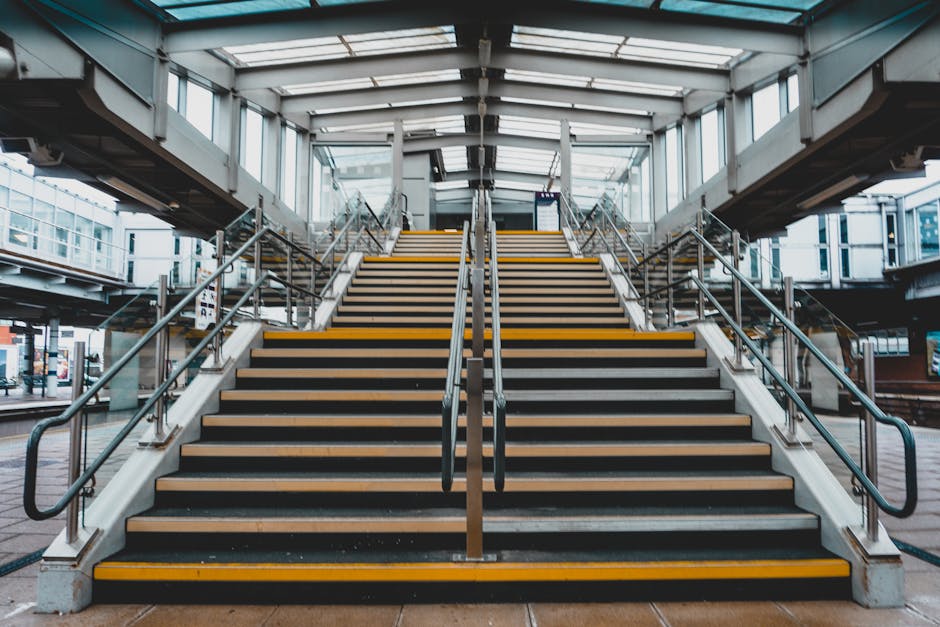
Millwall flats can look straightforward on a floor plan, but the staircase tells a different story. Tight turns, awkward landings, low ceilings, shared entrances, and the occasional stubborn banister can turn a simple move into a proper puzzle. If you are dealing with staircases at Millwall flats, the difference between a smooth move and a stressful one usually comes down to planning, pacing, and using the right removals approach.
This guide walks through the practical side of moving in and out of stair-heavy flats in Millwall: how to prepare, what to move first, which items need extra care, and when a professional team can save time, effort, and a few headaches. Truth be told, stairs are where many otherwise organised moves start to wobble. Not because the job is impossible. Because the details matter.
If you want the move to feel controlled rather than chaotic, start with the route, not the boxes.
Why Staircase Planning Matters in Millwall Flats
Staircases are not just an inconvenience. They shape the entire moving day. In Millwall, many flats sit in buildings where internal access is limited, lifts are busy or small, and communal stairwells need to be treated carefully. That means every item has to be measured against the staircase before it leaves the room. Literally, sometimes.
Why does that matter so much? Because stair moves create pressure at three points: the item being carried, the people carrying it, and the building itself. A wardrobe can scrape a wall. A sofa can catch on a turn. A fridge can feel twice as heavy halfway up the stairs when grip starts to slip. One small mistake can slow the whole day.
It also matters for neighbours and building management. Shared hallways need to stay clear, noise has to be kept reasonable, and doors should not be wedged open in a way that causes trouble. If you have ever heard a trolley rattling in a stairwell at 8 a.m., you already know the sound of a move that is not going quite to plan.
For local moves, especially in flats, choosing the right support can make a big difference. Many people compare man and van removals with more full-service options, while others look at home moving services or broader house removalists when the staircase is only one part of a larger job. The right choice depends on volume, access, and how much heavy lifting you want to avoid.
How Staircase Removals Work in Practice
At a practical level, stair-focused removals are all about sequencing and control. The move is usually planned around the narrowest point first, not the easiest. That means measuring furniture, checking the staircase width and landing turns, and deciding what can be moved safely without forcing it.
A good removals plan for Millwall flats usually follows this logic:
- Check access before moving day, including stair width, handrails, turns, and any awkward entrance points.
- Identify large or fragile items that may need to be dismantled.
- Pack and label boxes so the heaviest items are easier to place near the bottom.
- Protect walls, corners, banisters, and flooring where possible.
- Move the most awkward items early, before fatigue and clutter build up.
- Keep the route clear from front door to vehicle.
That is the broad shape of it. The detail is what saves you.
For example, a sofa may technically fit, but if it needs a sharp bend on the second landing, you may spend ten minutes discovering that "fit" does not always mean "fit easily". A mirror, meanwhile, may be simple to carry but nerve-wracking if the stairwell is narrow and echoing. You feel the difference the second you start moving.
If your move includes office items, archive boxes, or equipment from a work-from-home setup, the same access logic still applies. In those cases, services such as office relocation services and commercial moves can be useful because they tend to factor in the logistics of stairs, timing, and equipment handling from the outset.
Key Benefits and Practical Advantages
Good stair planning is not just about avoiding mishaps. It has real advantages that make the whole move calmer and, frankly, less expensive in hidden ways.
- Less damage risk: Clear planning reduces knocks to furniture, walls, banisters, and doorframes.
- Safer lifting: Teams can share weight properly and avoid rushed, twisted carries on the stairs.
- Faster progress: When the route and item order are sorted, the move tends to flow better.
- Better packing decisions: You know early which items need dismantling, wrapping, or extra hands.
- Less stress on the day: There is more control and fewer surprise bottlenecks.
- Cleaner coordination with the building: Communal areas are respected, and neighbour friction is reduced.
The biggest benefit, though, is mental. Stair moves can feel overwhelming before they begin. Once there is a clear plan, the job stops feeling like a random pile of boxes and starts feeling manageable. That shift matters more than people think.
Expert summary: In stair-heavy flat moves, the best removals strategy is usually not brute force. It is good measurement, sensible packing, a clear route, and the discipline to move awkward items in the right order.
And yes, sometimes a smaller vehicle or a flexible team setup helps too. For lighter loads, a man with van service can be ideal. For heavier, bulkier jobs, removal truck hire or a moving truck can reduce multiple trips and keep the day simpler.
Who This Is For and When It Makes Sense
This advice is useful for a few different types of movers. If any of the following sounds familiar, you are in the right place:
- You live in a Millwall flat with narrow internal stairs.
- You are moving in or out of a top-floor apartment.
- You have bulky items like wardrobes, sofas, beds, white goods, or desks.
- You need to protect shared hallways and communal areas.
- You are trying to reduce the number of trips between the flat and the vehicle.
- You are moving on a tight schedule and cannot afford delays.
- You are not sure whether to hire help or manage it yourself.
It makes sense to use a stair-aware removals plan whether the move is small or large. Even a one-bedroom flat can contain a few awkward items that are a pain on stairs. The classic example is a mattress. Soft, yes. Easy? Not always, especially if the staircase turns sharply and the walls are close enough to brush your knuckles. Not fun.
This is also where specialist help can be worth it. If you need extra hands for packing, packing and unpacking services can take pressure off before the moving day even starts. And if the move involves a single large item or a clear-out, furniture pick-up can be a practical option.
Step-by-Step Guidance
1. Measure the staircase and the furniture
Start with the dimensions that matter: stair width, landing depth, ceiling height at turns, and the size of each bulky item. Measure the widest part of furniture, not just the front edge. A wardrobe with protruding handles can behave very differently from the flat panel you had in mind.
2. Decide what should be dismantled
Beds, table legs, shelving, and some wardrobes are often easier to move in parts. Dismantling reduces the risk of damage and makes awkward turns less stressful. Keep screws and fittings in clearly labelled bags. Put the bag somewhere obvious, not "safe", because safe often means forgotten.
3. Pack with stairs in mind
Heavy items belong in smaller boxes. Light bulky items can go into larger boxes if they remain easy to grip. Books, cutlery, and tools should not be packed into monster boxes that become impossible to carry on stairs. That is one of those mistakes people only make once.
4. Protect the building
Use blankets, corner guards, or basic protective material where appropriate. Even if you are moving carefully, stair corners and banisters are vulnerable. Take extra care at the top and bottom of the staircase, where contact tends to happen most.
5. Clear the route fully
Move shoes, mats, bins, and loose items out of the way. Doors should open freely. If possible, make a simple staging area near the front door so boxes do not block the stairwell. In busy buildings, this can be the difference between a controlled flow and a bottleneck by 10 a.m.
6. Carry awkward items with a spotter
For long items like mattresses, one person can guide from below and another from above. For particularly heavy or valuable items, use a spotter to call out turns and landing edges. It sounds basic, but it saves a lot of "mind that step" moments.
7. Load the vehicle strategically
Place heavier boxes and furniture in the van or truck so the unloading order matches the destination layout. If the destination also has stairs, think ahead to which items need to come off first. That reduces the need to shuffle heavy things around after you are already tired.
Expert Tips for Better Results
Here are the things that usually make the biggest difference in stair-heavy flat moves.
- Book the right amount of help. One extra pair of hands can make a huge difference on stairs, especially for beds, sofas, and fridges.
- Move early in the day. You are usually less tired, building traffic is lighter, and delays are easier to absorb.
- Keep the first load simple. Start with items that are easy to carry so the team gets into rhythm.
- Use gloves with grip. They are not glamorous, but they help with boxes, rails, and awkward edges.
- Take turns before people get exhausted. Fatigue makes stair moves messy very quickly.
- Never guess an item will fit. Measure it. Guessing is how people end up re-living the same sofa for 20 minutes.
- Communicate every turn. Slow is smooth. Smooth is fast.
A small tip that people overlook: keep a bottle of water and a cloth handy. Stairs are warm work, and hands get sweaty faster than you expect, especially in a packed building on a mild London morning. It sounds minor. It is not.
Also, if you know you will need extra labour for a tight staircase, a flexible service like man and van removals can be the right balance of help and simplicity. Not every move needs a full-scale crew, but not every move should be a solo hero moment either.
Common Mistakes to Avoid
Staircase removals go wrong in predictable ways. Once you know them, they are easier to avoid.
- Ignoring measurements: Assuming furniture will fit without checking is a classic mistake.
- Overpacking boxes: Heavy boxes on stairs are a safety problem and a pace killer.
- Forgetting landing turns: Many items clear the stairs but fail at the turn.
- Not protecting walls: A small scrape can become an expensive annoyance.
- Letting clutter build up: A messy route slows everyone down.
- Rushing the last few items: Fatigue tends to produce the mistakes people remember most.
- Poor communication: Two people carrying different mental pictures of the same sofa is a recipe for awkwardness.
Another subtle mistake is underestimating how long stair movements take. A flat move can look small on paper and still take longer than expected if every item needs to be negotiated around narrow steps. To be fair, that is not a disaster. It just means the schedule should be realistic.
If you are moving a large amount of furniture or mixed household goods, choosing the right vehicle can also reduce stair pressure by limiting back-and-forth. That is where moving truck options and well-planned loading make a surprisingly big difference.
Tools, Resources and Recommendations
You do not need a warehouse full of kit, but a few simple tools can make stair moves much easier.
- Moving blankets: Good for protecting furniture and walls during carries.
- Straps or lifting aids: Helpful for distributing weight on larger items.
- Furniture sliders: Useful on flat internal floors before an item reaches the stairs.
- Grip gloves: Better handling, less slipping.
- Labels and marker pens: Keep boxes organised so the unload is smoother.
- Basic screw bags and tape: Essential if furniture is dismantled.
- Door props or wedges: Can help when moving between rooms, provided they do not create a hazard.
For bigger or more complex jobs, the service mix matters. If you only need transport plus a couple of hands, man with van services are often a practical middle ground. If you are moving an entire flat and want more support from packing through to unloading, pairing transport with packing and unpacking services can save time and reduce mistakes.
And when a move includes bulky items that are not worth dragging through a staircase at all, a pre-move clear-out via furniture pick-up can leave only the truly necessary pieces to handle on the day.
Law, Compliance, Standards, or Best Practice
For stair moves in Millwall flats, the main compliance concerns are usually practical rather than dramatic: safety, access, and respect for the building. You should avoid blocking communal routes for longer than necessary, keep noise sensible, and make sure your moving approach does not create trip hazards. Building managers may also have their own rules about lift use, parking, loading windows, or temporary access arrangements.
Health and safety best practice is straightforward. Heavy lifting should be planned, not improvised. If an item is too awkward for one person, it should not be forced. If a staircase is slippery, poorly lit, or extremely tight, extra caution is needed. No item is worth a fall. That part should be obvious, but in the rush of the day people do forget.
It is also sensible to check any relevant building instructions before moving day. Some blocks prefer advance notice for large removals, and some have practical rules about protective floor coverings or booking loading spaces. Those arrangements may vary, so treat them as building-specific rather than universal.
For business moves, access and safe handling become even more important. Teams moving equipment from office floors or shared buildings usually benefit from a more structured approach, which is where office relocation services can be particularly helpful.
Options, Methods, or Comparison Table
Different move setups suit different staircase challenges. Here is a simple comparison to help you think it through.
| Option | Best for | Strengths | Trade-offs |
|---|---|---|---|
| DIY move with friends | Very small loads, short stair runs | Low cost, flexible timing | Higher risk of fatigue, poor lifting technique, and delays |
| Man and van | One-bedroom flats, lighter furniture, quick local jobs | Simple, practical, often cost-effective | May still need careful planning for bulky stairs |
| Full removals support | Bulkier furniture, more boxes, awkward access | Better coordination, more handling capacity | Usually a bigger investment |
| Truck hire with crew | Larger home moves or mixed loads | Efficient transport, fewer trips | Needs good planning and clear loading order |
The right choice depends on more than price. Stair shape, item weight, time pressure, and whether the building access is shared all matter. A cheaper setup that struggles with the staircase can become the slower, harder option by the end of the day.
If you are comparing transport-first solutions, removal truck hire can make sense when there is a lot to move in one go, while a more compact arrangement may be enough for smaller flats. Sometimes the best choice is the one that keeps the route simple.
Case Study or Real-World Example
Imagine a typical Millwall flat move: a two-bedroom apartment on an upper floor, a narrow internal staircase, a sofa that turns tightly at the landing, and a bed frame that has to come apart before it will move safely. The residents have packed the smaller items well, but the heavy stuff is still the problem.
On a well-prepared day, the team measures the sofa and bed frame first, dismantles the bed, wraps the sharp corners, and clears the hallway before bringing anything down. One person stays at the lower end of the stairs to guide the sofa through the turn, while another monitors the top landing and calls out when to pivot. No rushing, no sudden lifting, no guessing.
The difference is obvious. The move still takes effort, of course. But instead of a constant scramble, it becomes a series of manageable steps. The team protects the walls, the client avoids last-minute panic, and the staircase does what it always does: quietly test everyone's patience.
A smaller version of the same story happens all the time with single-item moves. A tenant replacing a bulky wardrobe, for instance, may decide that getting it through the stairs is more trouble than it is worth. In that situation, a targeted collection through furniture pick-up can be the cleaner solution.
Practical Checklist
Use this before moving day if stairs are part of the job.
- Measure the staircase, landings, and bulky furniture.
- Dismantle items where practical.
- Pack heavy items into smaller boxes.
- Label boxes clearly, especially fragile ones.
- Protect walls, corners, and floors if possible.
- Clear the route from room to exit.
- Check building access rules and timing.
- Arrange enough help for the heaviest pieces.
- Decide what should be moved, sold, or collected separately.
- Keep tools, tape, screws, and a marker in one easy-to-find place.
- Plan the loading order so unloading is faster later.
- Allow extra time for awkward turns and landing manoeuvres.
That last point matters more than people realise. Stairs always seem to add a few extra minutes here and there. Not dramatic, just enough to throw off a tightly packed schedule if nobody has allowed for it.
Conclusion
Dealing with staircases at Millwall flats is mostly about preparation, not heroics. Measure first, pack sensibly, protect the route, and match the moving method to the access you actually have. When the stairs are narrow, the landings are tight, and the furniture is awkward, the safest move is usually the smartest one too.
Use the right level of help, take your time on the turns, and do not be afraid to break the move into smaller, easier parts. That is how you keep the day steady. And a steady move, let's face it, is a much nicer thing to live through.
If your move includes bulky furniture, mixed household items, or a staircase that makes every carry feel like a mini project, the next sensible step is to compare your options and choose support that fits the building, not just the budget.
Get a free quote today and see how much you can save.
In the end, a good move is not just about getting everything from one floor to another. It is about doing it without losing the calm of the day.
Frequently Asked Questions
How do you move furniture down narrow stairs in Millwall flats?
Measure the item and the stairway first, dismantle what you can, and use two people for long or heavy pieces. Slow, guided movement is safer than trying to push quickly through a tight turn.
What is the best way to protect walls and banisters during a flat move?
Use moving blankets, corner protection, and careful spacing between the item and the wall. Even with protection, the biggest safeguard is controlled movement and clear communication.
Should I dismantle my bed before moving it down stairs?
Yes, in most cases. Bed frames are usually easier and safer to move in parts. It also reduces the risk of scraping walls or catching on a landing.
Is a man and van service enough for a staircase move?
Sometimes, yes. If the load is small and the furniture is not especially bulky, a man and van setup can be a sensible choice. For heavier or more complex stair access, more support may be worth it.
How far in advance should I plan a move in a flat with stairs?
As early as you can. Even a small move benefits from measuring access, deciding what needs dismantling, and checking building rules before moving day.
What items are hardest to move on stairs?
Sofas, wardrobes, mattresses, fridge-freezers, desks, and oversized shelving often cause the most trouble. They can be awkward even when they are not particularly heavy.
Can packing services help if I have difficult stairs?
Yes. Good packing and clear labelling reduce chaos on the day, and smaller, well-packed boxes are much easier to carry down stairs safely.
What if my furniture does not fit around the staircase turn?
That is where dismantling, alternate carrying angles, or a different removal approach may help. If it still will not fit, it may need to be moved in parts or handled by a different route.
Is it worth hiring removal truck support for a flat move?
It can be. If you have multiple bulky items or want fewer trips, a larger vehicle can make the day more efficient, provided the access plan is good.
Do I need to tell the building management about my move?
In many flats, yes. It is sensible to check whether there are any building-specific rules about loading, lift booking, noise, or access times. That avoids awkward surprises on the day.
What is the safest way to carry heavy boxes on stairs?
Keep boxes manageable in weight, hold them close to your body, and do not block your view of the next step. If a box feels awkward or unbalanced, repack it rather than pushing on.
When should I choose professional removals over DIY?
If the staircase is tight, the furniture is bulky, or you are short on help, professional support is usually the safer and less stressful option. It can also save time and reduce damage risk.